A TRADITION OF BROTHERHOOD
Freemasonry
Brotherhood • Character • Tradition • Service
For centuries, Freemasonry has brought men together in the pursuit of fellowship, moral character, personal growth, and service to others.
“Your Power of doing Good may always be equal to your Inclination.”
— Benjamin Franklin, 1783
What Is Freemasonry?
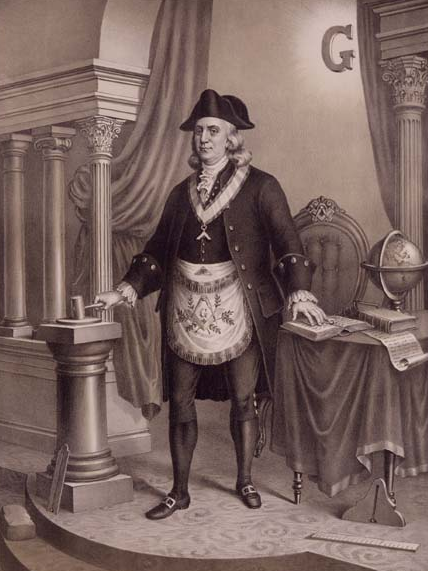
Freemasonry is one of the world’s oldest and largest fraternal organizations. It brings men together through fellowship, shared values, charitable service, and a common desire for personal growth. Its teachings encourage a man to examine his own character, fulfill his responsibilities to others, and continually work toward becoming a better version of himself.
Freemasonry is not a religion and does not replace a man’s individual faith. Rather, Masons from different backgrounds and beliefs meet as Brothers and are united by principles such as integrity, charity, tolerance, responsibility, and respect for others.
CENTURIES OF TRADITION
A Tradition Centuries Old
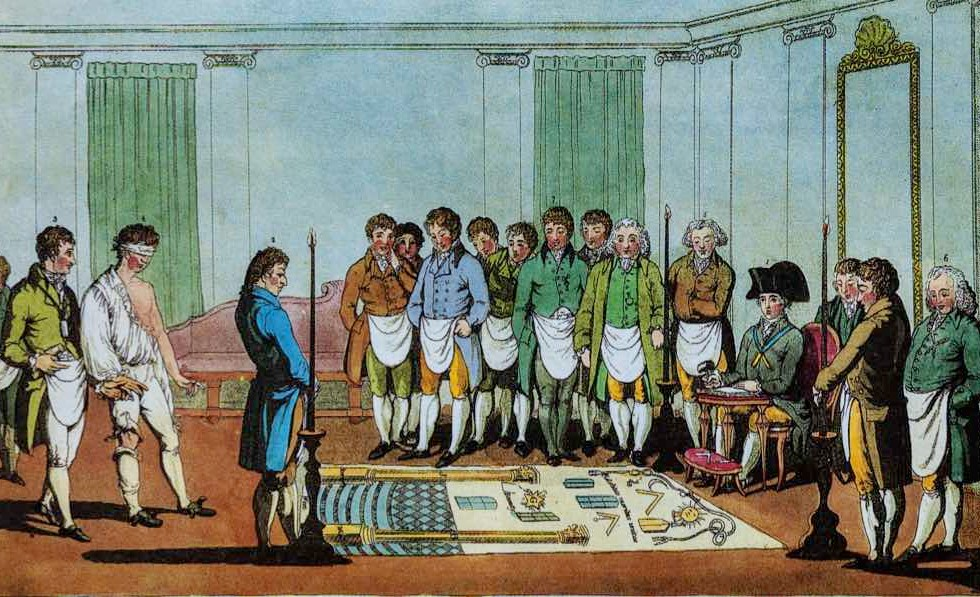
The roots of Freemasonry reach back hundreds of years. Modern organized Freemasonry emerged in Britain during the late seventeenth and early eighteenth centuries, drawing upon the traditions and symbolism associated with the working stonemasons who built Europe’s great cathedrals and other structures.
Over time, the tools and practices of the stonemason became symbols used to communicate lessons about character, conduct, responsibility, and personal improvement. These traditions continue to provide the framework through which Masonic teachings are presented today.
What Freemasonry Teaches
Masonic teachings use tradition, symbolism, and fellowship to encourage principles that extend well beyond the walls of the Lodge.
◆
Brotherhood
Building friendships based upon mutual respect, trust, fellowship, and a commitment to support one another.
◆
Character
Encouraging honesty, integrity, responsibility, self-reflection, and continual improvement throughout life.
◆
Charity
Helping those in need and recognizing our responsibility to contribute positively to our communities.
◆
Personal Growth
Learning from experience, seeking wisdom, developing leadership, and continually striving to become a better man.
King Solomon’s Temple & Masonic Symbolism
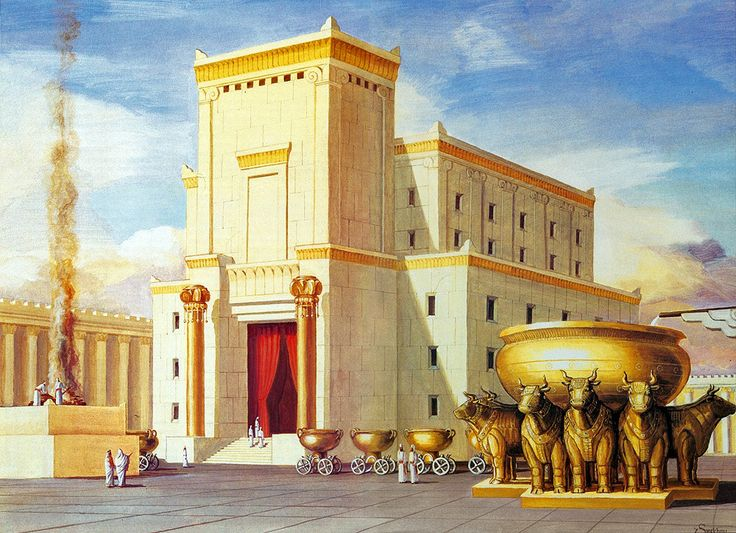
King Solomon’s Temple holds an important place in Masonic tradition and symbolism. Freemasonry uses the biblical account of the Temple and the builders associated with it as an allegorical setting through which lessons of character, wisdom, responsibility, and personal development can be explored.
Likewise, familiar working tools such as the square, compasses, level, and plumb take on symbolic meanings. They remind a Mason that the most important structure he will ever build is his own character.
Image: artistic interpretation of King Solomon’s Temple.
AN AMERICAN TRADITION
Freemasonry in America
Freemasonry became established in the American colonies during the eighteenth century and has been part of American civic and community life ever since. Men from many professions, communities, backgrounds, and generations have found fellowship within the fraternity.
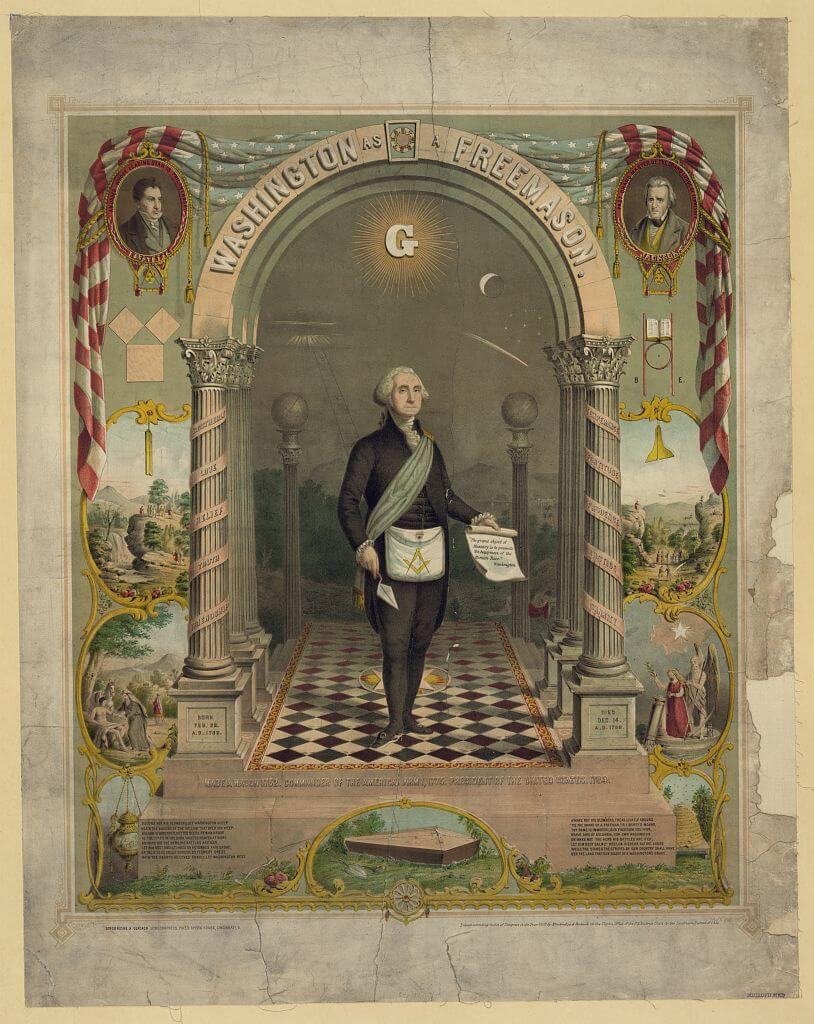
Among America’s best-known early Freemasons was George Washington. Washington became a Mason as a young man and maintained an association with the fraternity throughout his life. In 1793, while serving as President, he participated in the Masonic ceremony marking the laying of the cornerstone of the United States Capitol.
His Masonic membership is one example of the fraternity’s long presence in American history, but Freemasonry’s story is ultimately the story of generations of individual Lodges and Brothers serving their own communities.
What Happens in a Lodge?
Lodge Meetings
Lodges meet regularly to conduct the business of the Lodge, discuss upcoming activities, plan charitable and community projects, and maintain the organization of the fraternity.
Fellowship
An important part of Lodge life happens outside formal meetings. Meals, conversations, family events, community activities, and time spent together create friendships that can last a lifetime.
Masonic Degrees
A Mason progresses through a series of degrees that use ceremony, symbolism, and allegory to communicate moral lessons and encourage reflection on his responsibilities to himself and others.
Service & Education
Lodges also provide opportunities for charitable service, Masonic education, leadership development, mentoring, and participation in projects that benefit the surrounding community.
Freemasonry Today
Although its traditions reach back centuries, Freemasonry remains relevant because its central purpose is timeless: bringing men together and encouraging them to become better men. Today’s Lodges continue to provide fellowship, mentorship, leadership opportunities, charitable service, and a place where men can learn from one another across generations.
At Corinthian Lodge #83, we are proud to carry those traditions forward while building friendships, serving our community, and providing today’s generation of Masons with opportunities to grow.
TAKE THE NEXT STEP
Interested in Becoming a Mason?
Membership begins with a simple step: learning more. Discover what is involved, who can become a Mason, and how to begin a conversation with Corinthian Lodge #83.